
Players need reliable information to understand how digital games operate, particularly when outcomes depend on chance or when a game includes complex scoring rules. Independent testing can help evaluate whether a game behaves according to its documented specifications. It offers a way to examine technical claims without relying solely on statements from the company that created the game.
What Independent Testing Examines
The exact testing process depends on the type of game and the relevant regulatory framework. For games that use random outcomes, testing may examine the random number generator, the implementation of game rules, and whether results follow the expected statistical behavior.
Testing can also assess whether the software correctly applies stated probabilities and payout rules. For competitive games, relevant checks may instead focus on consistent rule enforcement, scoring logic, or systems intended to prevent unauthorized manipulation.
The scope matters. A test of one software version or one component does not automatically establish that every feature on a platform has been evaluated.
Understanding Statistical Testing
Random number generators are often assessed through technical analysis and statistical tests designed to detect certain patterns or deviations. These tests can help identify problems, but they cannot prove fairness in every possible situation simply because a sample appears consistent with expectations.
A sound evaluation combines appropriate testing methods with a review of implementation, configuration, and the game’s documented behavior. The methodology should match the system being examined.
It is also important to distinguish statistical fairness from guaranteed outcomes. A game may follow its stated probabilities correctly while still producing long sequences of wins or losses. Short-term results alone are not enough to establish whether a random system is operating improperly.
Why Independent Review Matters
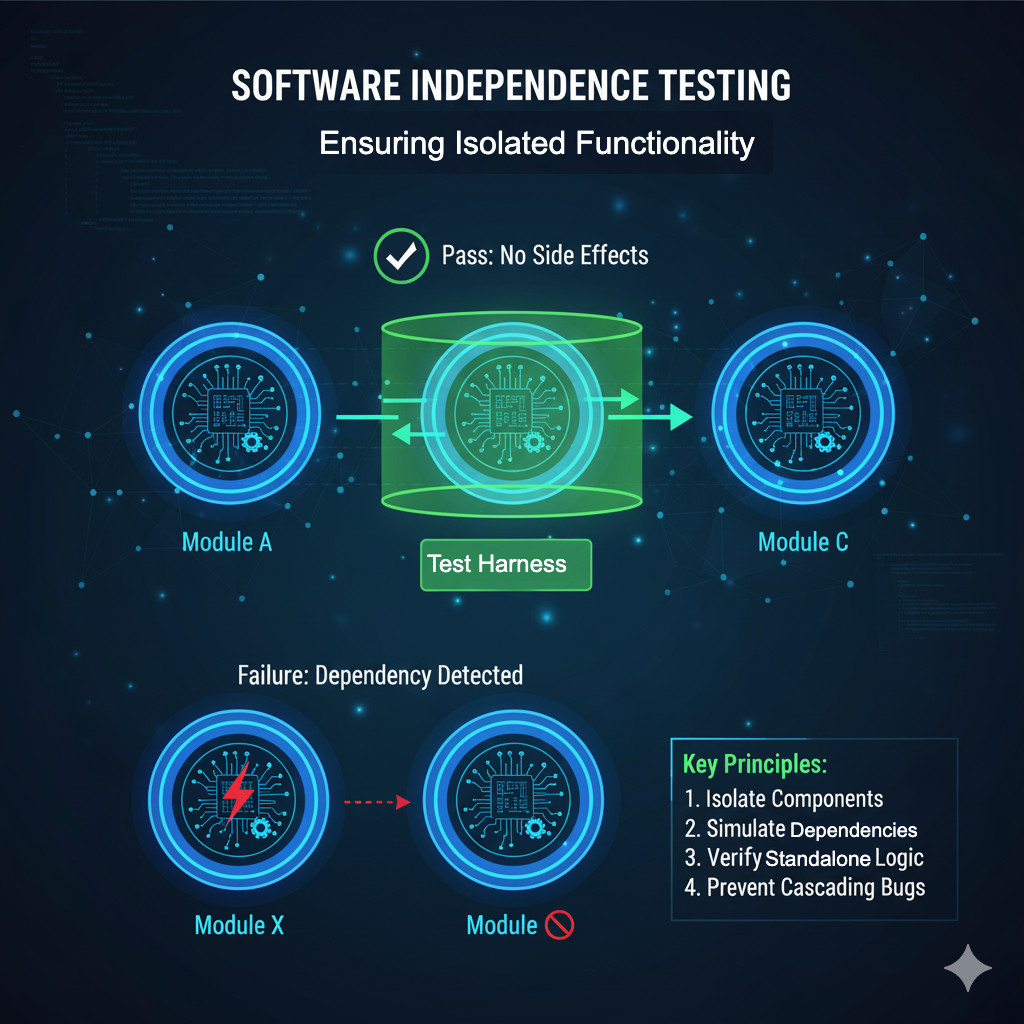
When testing is performed by a qualified organization separate from the developer, it can provide an additional level of scrutiny. Independence may reduce conflicts of interest, while documented procedures make it easier to understand what was checked and what conclusions are supported.
However, the value of a test depends on the testing organization’s competence, the scope of its work, and the currency of the report. Certification should not be interpreted as proof that every aspect of a platform is safe, secure, or free from operational problems.
Transparency and Ongoing Monitoring
Platforms can support trust by explaining the scope of testing, identifying the software version reviewed, and providing relevant certification information where appropriate. Regulators may also require periodic checks, reporting, or additional controls, depending on the jurisdiction and type of service.
Independent testing is not a replacement for responsible operation or ongoing oversight. Software updates, configuration changes, and new features can introduce issues that were not present during an earlier evaluation.
Helping Players Make Informed Judgments
Fairness claims are more meaningful when they are supported by clear documentation and credible technical review. Players should consider what was tested, who conducted the evaluation, and whether the findings apply to the game they are using.
Independent testing cannot remove every uncertainty, but it can provide structured evidence about whether a digital game follows its stated rules. Combined with transparency and continued monitoring, it helps create a more accountable gaming environment.