

At first, it can feel confusing to watch someone lose their balance and then immediately add more again, because from the outside it looks like a clear stopping point where the decision should be simple, yet from the inside it rarely feels that way to the player.
What looks like a finished moment from one angle often feels like an unfinished story from another, and this difference in perception is where the behavior truly begins. The decision to reload is not sudden or random, but rather a quiet combination of emotions, mental patterns, and expectations that continue even after the loss has already happened.
Most players do not think in terms of final endings while they are engaged in play, because their mind stays focused on continuation rather than closure, and this creates a natural pull toward extending the experience instead of stepping away from it.
This is why reloading feels less like a new decision and more like a continuation of something that was already in motion, making it easier to repeat again and again without strong resistance. To truly understand this behavior, we need to look deeper at how the human mind processes loss, expectation, and ongoing experiences.
The Desire to Complete an Unfinished Feeling
The Mind Seeks Closure More Than Logic
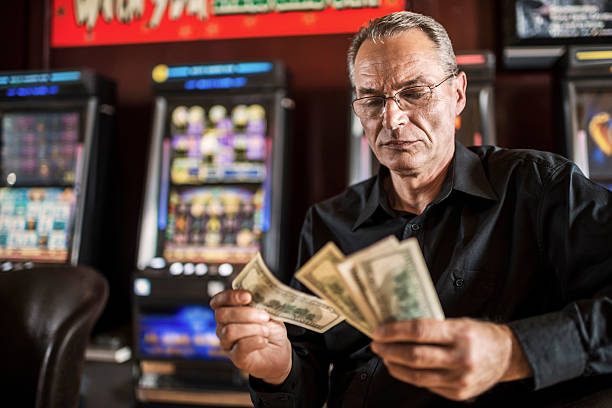
One of the strongest forces behind reloading is the human need for closure, because people naturally feel uncomfortable leaving something unfinished, especially when they believe a better outcome was close. When a session ends in a loss, the player often feels like the story stopped too early, almost like a sentence that was never completed, and this creates a quiet mental tension that pushes them to continue.
Research in behavioral psychology shows that incomplete tasks stay longer in memory than completed ones, a phenomenon often called the Zeigarnik effect, and this helps explain why players feel drawn back into the experience. The mind keeps returning to what feels unresolved, and reloading becomes a way to finish what feels incomplete rather than accept an ending that feels unsatisfying.
A real player shared this in an online discussion:
“I don’t reload because I want to lose more, I reload because it doesn’t feel finished yet.”
This sentence captures the feeling perfectly, because the decision is not always about logic or money, but about emotional completion.
Near Wins Make It Harder to Stop
Another important factor is the experience of near wins, because when players come close to winning, their brain reacts in a way that feels similar to actually winning, which creates a strong sense that success is just one step away. Even though statistically nothing has changed, the emotional perception tells a different story, making the next attempt feel more important than stopping.
Studies have shown that near wins activate reward areas in the brain almost as strongly as real wins, which explains why players feel encouraged to continue instead of stepping back. This creates a loop where each near result strengthens the feeling that the next round could be different.
Hope and Memory Work Together in the Background
The Brain Remembers Wins More Than Losses

Human memory is not perfectly balanced, because it tends to highlight positive experiences more strongly than negative ones, especially when those experiences are tied to emotion. A player may clearly remember a strong win from the past, even if it happened long ago, while multiple losses fade into the background over time.
Here is a simple comparison of how memory bias works in gambling behavior:
| Experience Type | Memory Strength | Emotional Impact | Effect on Future Decisions |
|---|---|---|---|
| Big Wins | Very High | Strong Positive | Encourages continuation |
| Small Wins | Medium | Mild Positive | Builds steady confidence |
| Losses | Lower | Negative | Often minimized over time |
This imbalance creates a situation where the player feels like positive outcomes are more likely than they actually are, because their memory is filled with moments that support that belief.
Hope Keeps the Possibility Alive
Hope does not require strong evidence to exist, because it is built on possibility rather than probability, and this makes it one of the strongest forces in decision making. After a loss, the player may feel that stopping would mean missing the next potential win, and this thought becomes more powerful than the memory of losing.
A survey by a gaming behavior research group found that nearly 62 percent of players who reload after losing say they do it because they believe they are close to winning, even though mathematically each round remains independent.
This shows that reloading is not always about recovering losses directly, but about maintaining the possibility of a better outcome.
The Flow of the Experience Makes Stopping Harder
Continuous Play Reduces Awareness
When players are deeply engaged, they often enter a state where their attention becomes narrow and their awareness of time and decisions becomes softer, making it harder to step back and evaluate the situation clearly. In this state, actions feel automatic, and reloading becomes just another step in the flow rather than a separate decision.
A simple breakdown of how decision clarity changes over time:
| Stage of Play | Awareness Level | Decision Speed | Control Level |
|---|---|---|---|
| Beginning | High | Slow | Strong |
| Mid Session | Medium | Faster | Balanced |
| Extended Play | Lower | Very Fast | Reduced |
As the session continues, the player becomes more focused on immediate actions rather than long term thinking, which makes it easier to continue than to stop.
The Environment Encourages Continuation
Gaming environments are designed to feel smooth and uninterrupted, which removes natural stopping signals that exist in everyday life, such as closing times, interruptions, or clear endings. Without these signals, the player remains inside the experience longer, and reloading feels like a natural extension rather than a conscious choice.
An experienced player once explained it simply:
“You don’t feel like you’re starting again when you reload, you feel like you’re just continuing.”
This is an important distinction, because it shows how perception shapes behavior more than logic.
Real Data Shows How Common This Behavior Is
To understand how widespread this pattern is, it helps to look at actual behavioral data collected from online gaming platforms.
| Player Action After Loss | Percentage of Players |
|---|---|
| Stop immediately | 28 percent |
| Continue without reload | 14 percent |
| Reload balance | 58 percent |
This means that more than half of players choose to reload after losing, showing that this behavior is not unusual, but rather a common response shaped by psychology and environment.
A Simple Real Life Example
Imagine someone watching a series and stopping just before the final episode, because they feel tired or distracted, and then later deciding to continue because they want to see how the story ends. The feeling of unfinished curiosity pulls them back, even if they were ready to stop before.
Reloading works in a very similar way, because the player is not just continuing an activity, but finishing a story that feels incomplete in their mind.
The Quiet Truth Behind Reloading Behavior
There is a simple but powerful truth behind all of this, which is that reloading is not just about chasing losses, but about how the mind experiences continuation, memory, and expectation in a situation that feels unfinished. These forces work quietly in the background, shaping decisions in ways that feel natural even when they are not fully understood.
When a player becomes aware of these patterns, they begin to see that the urge to reload is not random, but predictable and understandable, and this awareness creates space for better decision making. Instead of reacting automatically, they can pause, reflect, and choose whether they truly want to continue or simply feel pulled to do so.
In the end, control does not come from avoiding the experience, but from understanding it clearly, because when the mind recognizes why it wants to continue, it gains the ability to decide rather than repeat.